Is Your VPS Ready for the 2026 Browse Landscape?

Technical Requirements for 2026 SEO Server Environments
Running multi-threaded SEO software application like GSA Online search engine Ranker (SER) in 2026 demands a departure from standard webhosting setups. The shift to extremely parallel processing and the massive scale of modern-day link-building targets have actually pressed hardware requirements to new heights. For specialists handling these systems in modern data centers, the focus has actually shifted toward high-clock-speed processors and ultra-low-latency storage. While previous years enabled modest VPS setups, the 2026 environment requires a more strategic approach to resource allocation.Modern GSA SER campaigns often include thousands of active threads concurrently querying online search engine, solving captchas, and submitting content to various platforms. This level of activity produces a substantial stress on the Windows kernel and the underlying hardware. Picking a VPS or devoted server is no longer practically the number of cores however about how those cores deal with concurrent jobs. Efficiency standards in 2026 suggest that single-threaded efficiency remains a main traffic jam throughout the initial site scraping phase, while multi-core performance becomes the restricting aspect during high-volume submissions.
CPU Architecture and Threading Effectiveness
The heart of any SEO server is the processor. In 2026, processors with high core counts, such as the most recent AMD EPYC or Intel Xeon scalable series, are the standard for high-performance VPS nodes. However, just having 16 or 32 cores is inadequate. GSA SER is a 32-bit application by design, which limits its ability to utilize huge amounts of memory directly, but its multi-threaded nature enables it to distribute the work across numerous virtual CPUs.System administrators often make the error of over-provisioning threads within the software without considering the physical hardware limitations. If a server has 8 vCPUs, running 1,000 threads in GSA SER will cause context changing overhead. This happens when the CPU spends more time switching jobs than really performing them. To avoid this, a ratio of approximately 50 to 100 threads per physical core is normally recommended for stable operation. Beyond this, the gains in submission speed are typically negated by increased stability concerns and software application crashes. Professionals looking for Wikipedia Documentation often find that high-frequency cores (4.5 GHz+) offer much better outcomes than a higher variety of slower cores.
Memory Management and DDR6 Standards
As of 2026, DDR6 memory has actually become the standard for high-end SEO servers. While GSA SER itself may not take in 128GB of RAM, the supporting tools often do. Modern captcha solving services, e-mail accounts, and the Windows operating system itself require considerable overhead. Large website lists (validated lists) are frequently saved in RAM for much faster access.When handling a Windows Server 2025 or 2026 circumstances, it is essential to monitor the "Dedicate Charge" rather than simply the physical RAM usage. If the software application begins to use the pagefile on the disk, efficiency will stop by an order of magnitude. Allocating a minimum of 32GB of RAM for a basic GSA SER setup is now thought about the baseline, with 64GB or more being more effective for those running numerous jobs or secondary tools like GSA Material Generator alongside the main ranker.
Storage Solutions and Database IOPS
The shift from SATA SSDs to Gen5 NVMe storage has been a significant enhancement for SEO experts in the current market. GSA SER carries out countless small read/write operations per minute as it updates job files, logs successful submissions, and checks its internal database. Standard hard disk drives and even early-generation SSDs can not keep up with the Input/Output Operations Per Second (IOPS) needed by 500+ threads.Using Gen5 NVMe drives ensures that the software does not hang during "Conserving Task" cycles. These stops briefly are often the result of disk I/O bottlenecks. If the disk can not write the information fast enough, the whole application UI may freeze. High-speed storage likewise speeds up the process of importing large "target URLs" lists, which can typically reach a number of gigabytes in 2026. Information stability is another element. Making sure that the VPS service provider uses RAID-1 or RAID-10 with NVMe drives provides a safeguard against hardware failure, which is a common incident on servers running 24/7 at high load.
Windows Server Optimization and Debloating

Windows Server 2025 and the early 2026 constructs featured numerous background services that are unneeded for an SEO maker. To make the most of the resources readily available for GSA SER, a procedure of "debloating" is needed. This includes disabling functions like Windows Protector (supplied a third-party firewall software is used), telemetry services, and unneeded graphical effects.The goal is to keep the "Base RAM" use of the OS under 2GB. Another critical tweak includes the Windows TCP/IP stack. By default, Windows restricts the number of concurrent outgoing connections and the speed at which it recycles closed ports. For a tool that makes countless connections per minute, these limitations must be increased by means of the windows registry. Modifying the MaxUserPort and TcpTimedWaitDelay settings allows the server to deal with the high-volume traffic typical of search engine automation without lacking readily available ports.
Network Latency and Proxy Combination
Network throughput is rarely the bottleneck for GSA SER, as the real data sent is little. Rather, the focus is on latency and the number of concurrent connections. A 1Gbps uplink is standard in 2026, however a 10Gbps connection is ending up being more typical for servers found in major data centers. The real difficulty depends on the quality of the proxies.Using Wikipedia Hosting Industry Documentation has ended up being a need to bypass the significantly advanced bot detection used by major platforms. SOCKS5 proxies are preferred over HTTP proxies in 2026 due to their ability to handle different kinds of traffic and their usually higher speed. When configuring GSA SER, the proxy timeout settings ought to be adjusted based upon the server area. A timeout that is too brief will lead to stopped working submissions, while one that is too long will bind threads waiting on unresponsive proxies.
Advanced GSA SER Setup for 2026
The internal settings of GSA SER have evolved to accommodate the 2026 web environment. One of the most essential settings is the "Search" vs "Send" thread distribution. In the past, scraping was a primary job, however with the abundance of top quality validated lists available today, numerous users focus 100% of their threads on submission.Another crucial area is the captcha handling. In 2026, AI-based captcha solvers have ended up being extremely efficient. Nevertheless, they still need CPU cycles. If the solver is working on the same VPS as GSA SER, it is necessary to leave at least two CPU cores "unassigned" to GSA SER to guarantee the captcha software has enough space to breathe. This avoids a cascading failure where the captcha solver slows down, causing GSA SER threads to wait longer, which in turn increases memory usage and leads to a system crash.
Tracking and Long-Term Stability
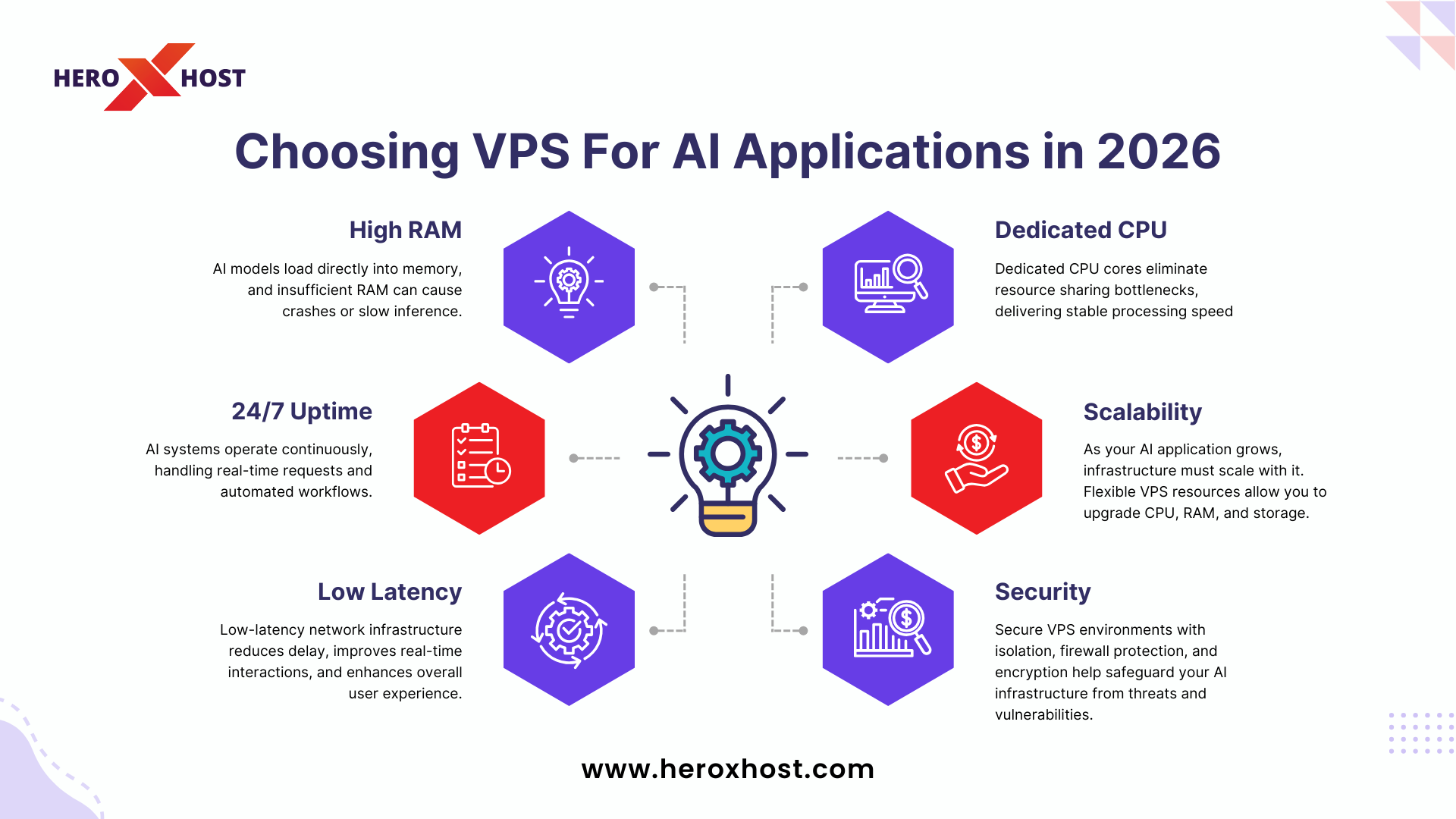
Stability is the last hurdle for any automated system. Running a server at 90% CPU usage for weeks on end will eventually cause memory leaks or thermal throttling concerns in a virtualized environment. Executing a set up reboot once every 24 to 2 days is a basic yet efficient method to clear the memory cache and reset the network stack.Monitoring tools that send out notifies when CPU or RAM usage goes beyond 95% for a prolonged duration are helpful for avoiding downtime. Lots of professionals likewise use "Watchdog" scripts that automatically reboot GSA SER if the process is no longer responding. These small changes ensure that the link-building device continues to run without constant manual intervention, enabling for a genuinely automated SEO operation in the competitive 2026 market.The combination of specialized hardware, a stripped-down os, and fine-tuned software application settings enables for a level of scale that was formerly difficult. By focusing on the technical basics of IOPS, thread management, and network stability, users can keep a high-performance environment that withstands the rigors of contemporary search engine optimization. Managing these systems successfully needs continuous attention to the hardware patterns of 2026 and a willingness to adjust as the digital environment continues to alter.