Getting Rid Of Bottlenecks in High-Volume Automated Outreach Strategies
Scaling Link Building with automated SEO in 2026
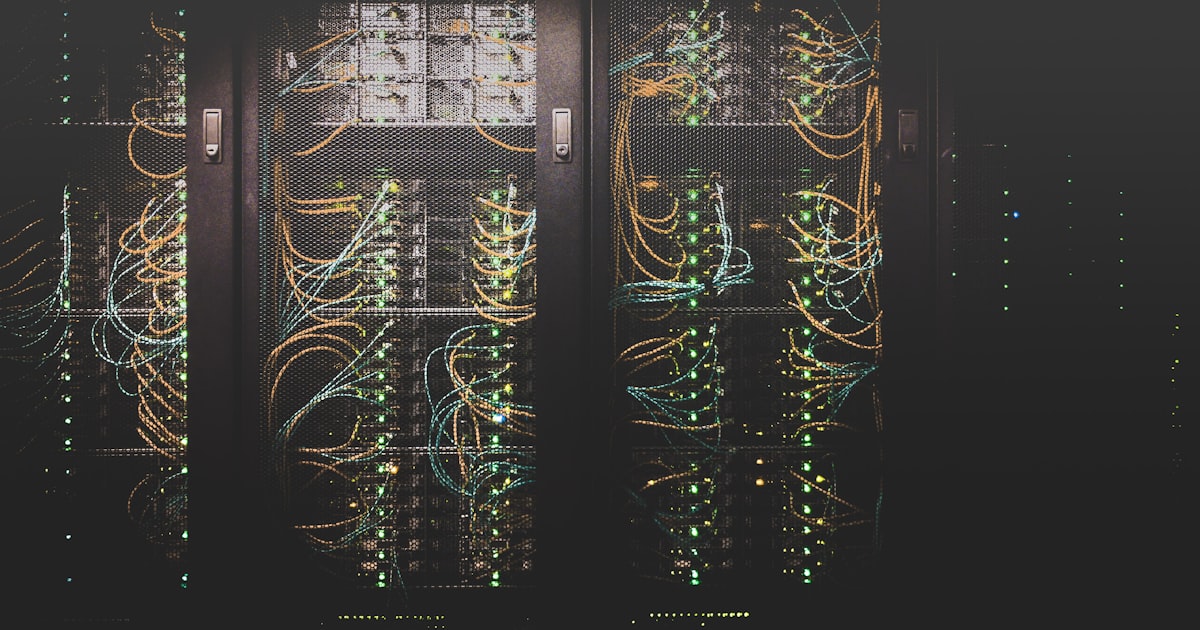
High-volume link acquisition techniques in 2026 need more than fundamental server setups. As online search engine algorithms end up being much faster at processing backlink information, the speed and volume at which SEO experts release projects need to increase to keep a competitive edge. Devoted Virtual Private Server (VPS) clusters have actually become the standard for running GSA Online search engine Ranker (SER) at scale. Counting on a single maker frequently causes traffic jams in CPU processing or memory exhaustion, which halts thread execution and wastes pricey proxy bandwidth.
Building a cluster includes dispersing the work throughout numerous high-performance nodes. This setup avoids a single point of failure and permits for specialized task allocation. For circumstances, one node may manage resource-heavy website scraping while others concentrate on submission and confirmation. Organizations concentrating on GSA Search Engine Ranker Help Center find that this distributed approach ensures that GSA SER runs at peak performance without the UI lag related to overtaxed hardware.
Hardware Specs for 2026 VPS Nodes
Modern SEO automation needs hardware that can deal with countless synchronised socket connections. In 2026, the baseline for a GSA SER enhanced VPS starts with high-frequency CPU cores. Multi-core processors like the most recent AMD EPYC or Intel Xeon models are needed since GSA SER is a multi-threaded application. Go for at least 8 to 16 vCPUs per node. High clock speeds matter more than core count alone since the software need to process complex regular expressions and script reasoning for countless various website platforms in real-time.
Memory requirements have actually also climbed. A basic instance in a technical environment now requires a minimum of 32GB to 64GB of RAM. GSA SER stores large amounts of project data, verified URLs, and active thread details in memory. When the RAM limitation is reached, Windows begins using the page file on the disk, which triggers an enormous drop in threads per minute (LPM) Making Use Of NVMe Gen 6 storage is non-negotiable in 2026. These drives use the high input/output operations per second (IOPS) required when the software application writes to internal databases or checks out massive worldwide site lists.
Network Architecture and Proxy Management
Network throughput is the quiet killer of SEO projects. A VPS with a 1Gbps port might seem sufficient, however when running 500 to 1,000 threads per instance, the overhead of proxy interaction and website loading rapidly saturates the connection. Choose for 10Gbps uplinks where readily available. This makes sure that the server can manage the bursts of data needed during the verification stage of a project.
Proxy rotation and management are where lots of operations fail. In 2026, the quality of proxies figures out the success of the submission. Using a cluster permits the separation of proxy types. Committed private proxies can be designated to high-authority targets on one node, while turning domestic or mobile proxies manage the bulk scraping and tiered link structure on another. This separation avoids the "bad next-door neighbor" result where an obstructed IP on one task might hinder the success of a more delicate project.
Configuring Windows Server for SEO Performance
Most GSA SER users choose Windows Server 2025 or 2026 for its stability. The default setup is not enhanced for high-volume socket connections. The Windows Computer registry requires specific tweaks to manage the load. Increasing the MaxUserPort and decreasing the TcpTimedWaitDelay enables the os to recycle closed connections faster. Without these changes, the server may lack offered ports, leading to "Socket Mistake" messages in the GSA SER log.
Disabling unnecessary visual impacts and background services is another mandatory action. A headless or "Core" setup of Windows is ideal for those comfortable with the command line, but a lot of specialists use the GUI. Turning off Windows Protector or setting up strict exemptions for the GSA SER folder and its short-term files is vital. Real-time scanning typically disrupts the software's ability to write to its database, triggering crashes or data corruption throughout intensive runs in the local market.
Distributing Jobs Throughout VPS Clusters
The most efficient method to scale is to separate the "Scraper" nodes from the "Submitter" nodes. Scraping for brand-new targets is a resource-heavy task that involves high bandwidth and aggressive proxy use. By committing two VPS nodes exclusively to GSA Material Generator or the built-in GSA SER scraper, the remaining nodes in the cluster remain concentrated on publishing.
Data synchronization in between these nodes is handled through shared cloud storage or regional network drives. In 2026, numerous SEO professionals use automated scripts to move "Identified" website lists from the scraper nodes to the submitter nodes every hour. This makes sure the submitters always have fresh targets to procedure. Business that prioritize GSA Search Engine Ranker Help Center utilize this method to preserve a consistent flow of new links across numerous tasks at the same time.
Enhancing GSA SER Internal Settings
Software-level tuning is simply as important as hardware. Within GSA SER, the "Threads" setting need to be adjusted based on the CPU use of the VPS. A typical error is set-and-forget. In 2026, the advised method is to keep CPU use around 70 percent to permit for spikes throughout high-activity periods. If the CPU remains at one hundred percent, the internal timing of the software decreases, leading to less effective submissions.
The "HTML Timeout" and "Wait for Information" settings also need attention. On a high-speed VPS, these can be lowered to 30 or 40 seconds. Long timeouts waste thread time on dead or slow sites. By tightening these specifications, the software moves through the target list much faster. Additionally, disabling engines that are infamously slow or have high failure rates can improve the total LPM of the cluster.
Captcha Resolving Combination at Scale
Captcha fixing is typically the greatest bottleneck in 2026 SEO operations. A cluster of VPS nodes can quickly overwhelm a single captcha fixing instance. Incorporating a mix of local solving software application and API-based services supplies a safeguard. Running a devoted VPS for captcha resolving software application enables the submission nodes to offload the heavy lifting of image processing.
Using the "Retry" reasoning in GSA SER thoroughly is important. Setting the software application to retry a captcha too many times can drain resources and proxy information. Two retries are typically sufficient. If a site fails to fix after 2 attempts, it is generally much better to transfer to the next target in the list. This keeps the thread pool active and efficient.
Database Maintenance and Long-Term Stability
GSA SER develops enormous quantities of data in time. Confirmed lists can grow to numerous gigabytes, which slows down the software application's startup time and basic performance. Regular maintenance of the validated and submitted folders is required. Many experts in the region usage a "rolling" list technique, where they archive validated links older than 90 days to keep the active task files lean.
Tracking tools are vital for managing a cluster. Utilizing a main dashboard to track CPU, RAM, and disk use across all nodes enables for proactive management. If one node shows indications of memory leakage-- a common issue with long-running automatic tasks-- it can be restarted without impacting the rest of the operation. Scheduled reboots, perhaps as soon as every 24 hr at a low-traffic time, assistance clear the system cache and keep the Windows environment responsive.
Advanced Filtering for Quality Control
In 2026, the "kitchen sink" approach to connect structure is less effective than it used to be. Modern GSA SER projects need rigorous filtering to make sure that the cluster isn't wasting time on low-grade domains. Utilizing the "Filter by Nation" or "Filter by Language" settings assists target the most appropriate websites for a specific niche.
Domain Authority (DA) or Trust Flow (TF) filters, while resource-intensive, can be used to the last confirmation phase. Some experts choose to post to whatever and then use a different script to filter the verified list later. This keeps the submission speed high while still permitting a curated last output. Using these filters at the VPS level ensures that just the finest links are kept in the primary database, which enhances the success rate of future projects.
The Technical Reality of SEO Automation
Scaling an SEO operation with VPS clusters requires a mix of server administration and software application optimization. It is a continuous procedure of monitoring and adjustment. As the digital environment in the web progresses, the setups utilized today will require updates to remain efficient. The shift from single-server setups to multi-node clusters is the most substantial step a technical SEO can take towards industrial-level link structure.
Success in 2026 depends upon the capability to process data quicker than the competition. By investing in high-spec hardware, enhancing the network stack, and maintaining a clean software application environment, professionals can run GSA SER at levels that were previously impossible. The focus needs to stay on stability and effectiveness, guaranteeing that every thread is a productive factor to the total SEO objective. This technical structure permits the growth of jobs and the ability to handle bigger client loads without a decline in performance.