Why Your Current SSD May Be Throttling Your SEO Growth
Technical Requirements for 2026 SEO Server Environments
Running multi-threaded SEO software application like GSA Online search engine Ranker (SER) in 2026 needs a departure from basic web hosting setups. The shift to extremely parallel processing and the massive scale of modern link-building targets have actually pressed hardware requirements to brand-new heights. For specialists managing these systems in modern data centers, the focus has moved toward high-clock-speed processors and ultra-low-latency storage. While previous years enabled modest VPS setups, the 2026 environment necessitates a more tactical method to resource allocation.Modern GSA SER projects typically involve thousands of active threads simultaneously querying online search engine, solving captchas, and sending content to different platforms. This level of activity produces a substantial pressure on the Windows kernel and the underlying hardware. Picking a VPS or devoted server is no longer just about the number of cores but about how those cores manage concurrent jobs. Efficiency benchmarks in 2026 show that single-threaded performance stays a primary traffic jam during the initial site scraping phase, while multi-core effectiveness ends up being the restricting aspect throughout high-volume submissions.
CPU Architecture and Threading Efficiency
The heart of any SEO server is the processor. In 2026, processors with high core counts, such as the most recent AMD EPYC or Intel Xeon scalable series, are the standard for high-performance VPS nodes. Merely having 16 or 32 cores is not enough. GSA SER is a 32-bit application by style, which limits its capability to use huge quantities of memory directly, but its multi-threaded nature enables it to distribute the work throughout numerous virtual CPUs.System administrators typically make the mistake of over-provisioning threads within the software application without thinking about the physical hardware constraints. If a server has 8 vCPUs, running 1,000 threads in GSA SER will cause context changing overhead. This occurs when the CPU invests more time swapping tasks than in fact executing them. To avoid this, a ratio of approximately 50 to 100 threads per physical core is normally recommended for steady operation. Beyond this, the gains in submission speed are frequently negated by increased stability problems and software application crashes. Professionals searching for GSA Search Engine Ranker Specifications frequently find that high-frequency cores (4.5 GHz+) provide much better results than a greater number of slower cores.
Memory Management and DDR6 Standards
Since 2026, DDR6 memory has actually become the benchmark for high-end SEO servers. While GSA SER itself might not consume 128GB of RAM, the supporting tools typically do. Modern captcha solving services, email accounts, and the Windows os itself require considerable overhead. Large site lists (validated lists) are often kept in RAM for faster access.When handling a Windows Server 2025 or 2026 instance, it is crucial to keep an eye on the "Dedicate Charge" rather than just the physical RAM usage. If the software begins to utilize the pagefile on the disk, efficiency will stop by an order of magnitude. Designating a minimum of 32GB of RAM for a basic GSA SER setup is now considered the standard, with 64GB or more being more effective for those running several projects or secondary tools like GSA Content Generator together with the main ranker.
Storage Solutions and Database IOPS
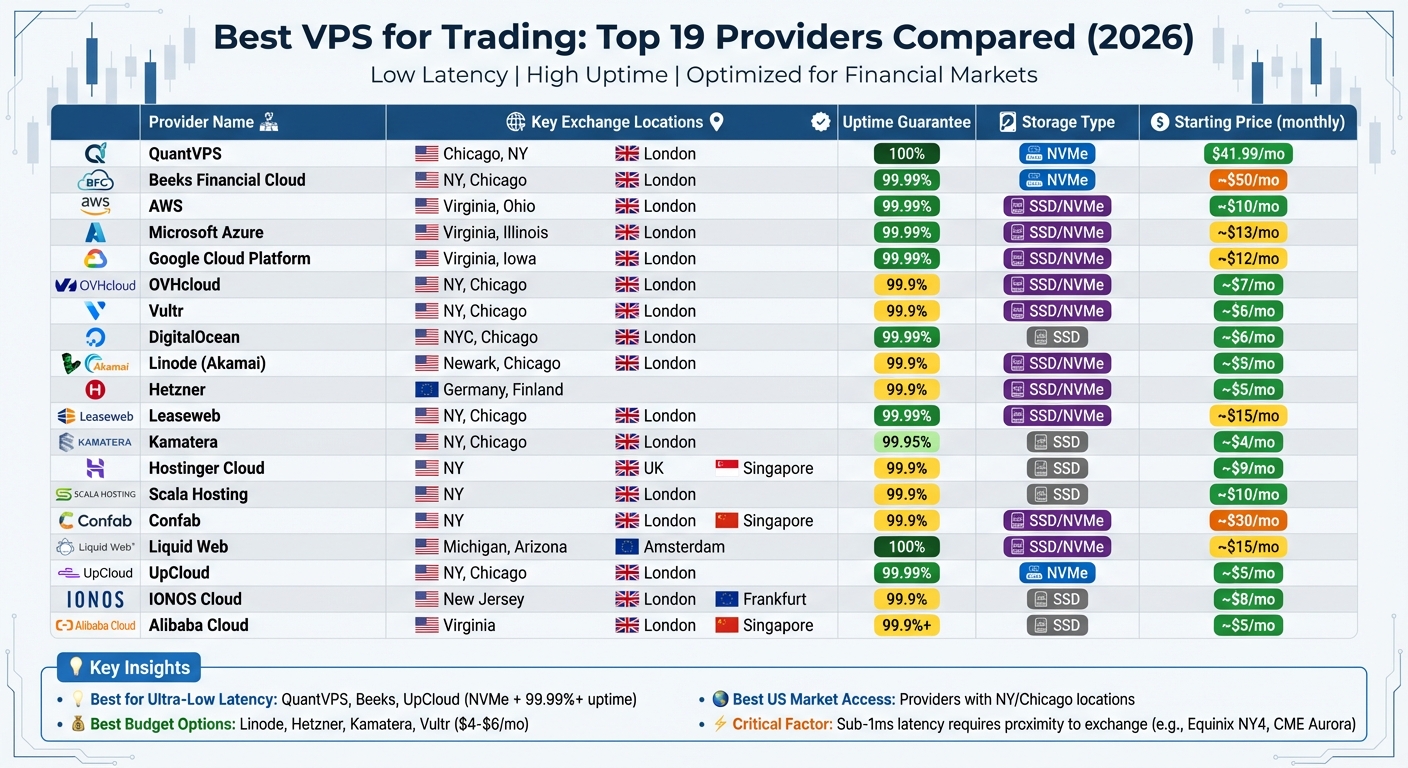
The shift from SATA SSDs to Gen5 NVMe storage has actually been a significant enhancement for SEO experts in the current market. GSA SER carries out thousands of tiny read/write operations per minute as it updates task files, logs successful submissions, and checks its internal database. Standard hard disks or even early-generation SSDs can not keep up with the Input/Output Operations Per Second (IOPS) required by 500+ threads.Using Gen5 NVMe drives ensures that the software application does not hang during "Saving Job" cycles. These stops briefly are often the outcome of disk I/O bottlenecks. If the disk can not compose the information quickly enough, the entire application UI might freeze. High-speed storage also speeds up the process of importing big "target URLs" lists, which can frequently reach a number of gigabytes in 2026. Information integrity is another aspect. Ensuring that the VPS provider utilizes RAID-1 or RAID-10 with NVMe drives provides a security internet against hardware failure, which is a common event on servers running 24/7 at high load.
Windows Server Optimization and Debloating

Windows Server 2025 and the early 2026 develops featured numerous background services that are unnecessary for an SEO machine. To maximize the resources offered for GSA SER, a procedure of "debloating" is needed. This involves disabling features like Windows Defender (provided a third-party firewall program is used), telemetry services, and unnecessary graphical effects.The objective is to keep the "Base RAM" use of the OS under 2GB. Another vital tweak includes the Windows TCP/IP stack. By default, Windows limits the number of concurrent outgoing connections and the speed at which it recycles closed ports. For a tool that makes countless connections per minute, these limits should be increased through the computer registry. Modifying the MaxUserPort and TcpTimedWaitDelay settings enables the server to manage the high-volume traffic typical of search engine automation without running out of offered ports.
Network Latency and Proxy Integration
Network throughput is rarely the bottleneck for GSA SER, as the real data sent is small. Rather, the focus is on latency and the number of concurrent connections. A 1Gbps uplink is basic in 2026, however a 10Gbps connection is ending up being more common for servers located in major data. The genuine obstacle depends on the quality of the proxies.Using GSA Search Engine Ranker Server Performance Specifications has actually ended up being a necessity to bypass the increasingly advanced bot detection utilized by major platforms. SOCKS5 proxies are preferred over HTTP proxies in 2026 due to their capability to handle different kinds of traffic and their generally greater speed. When setting up GSA SER, the proxy timeout settings should be changed based on the server area. A timeout that is too brief will lead to failed submissions, while one that is too long will bind threads awaiting unresponsive proxies.
Advanced GSA SER Configuration for 2026
The internal settings of GSA SER have actually developed to accommodate the 2026 web environment. Among the most essential settings is the "Search" vs "Send" thread distribution. In the past, scraping was a main job, however with the abundance of top quality verified lists readily available today, many users focus 100% of their threads on submission.Another essential location is the captcha handling. In 2026, AI-based captcha solvers have actually ended up being incredibly efficient. Nevertheless, they still need CPU cycles. If the solver is working on the same VPS as GSA SER, it is essential to leave a minimum of two CPU cores "unassigned" to GSA SER to guarantee the captcha software application has enough space to breathe. This avoids a cascading failure where the captcha solver slows down, causing GSA SER threads to wait longer, which in turn increases memory use and causes a system crash.
Tracking and Long-Term Stability

Stability is the last difficulty for any automated system. Running a server at 90% CPU use for weeks on end will ultimately result in memory leakages or thermal throttling problems in a virtualized environment. Implementing an arranged reboot when every 24 to 48 hours is a basic yet reliable way to clear the memory cache and reset the network stack.Monitoring tools that send alerts when CPU or RAM use goes beyond 95% for an extended period are useful for avoiding downtime. Lots of specialists also utilize "Guard dog" scripts that immediately restart GSA SER if the procedure is no longer reacting. These minor adjustments guarantee that the link-building machine continues to run without consistent manual intervention, permitting a really automated SEO operation in the competitive 2026 market.The mix of specialized hardware, a stripped-down os, and fine-tuned software application settings permits for a level of scale that was formerly difficult. By concentrating on the technical fundamentals of IOPS, thread management, and network stability, users can maintain a high-performance environment that holds up against the rigors of contemporary search engine optimization. Handling these systems effectively needs ongoing attention to the hardware trends of 2026 and a determination to adapt as the digital environment continues to alter.